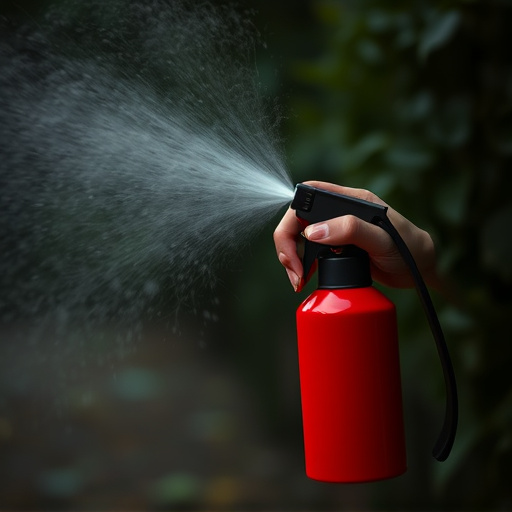
Proper pepper spray maintenance and storage is key to optimal performance and safety. This involves regular cleaning, inspection, and secure storage in cool, dry places, following manufacturer guidelines for care, and implementing access controls through locked cabinets and staff training to prevent misuse.
“Uncover the power and importance of riot control inflammatory spray canisters in modern safety protocols. This comprehensive guide delves into the intricate world of pepper spray technology, focusing on understanding its components, ensuring optimal performance through proper maintenance, and implementing secure storage measures to prevent misuse and damage. Discover expert tips for keeping these critical tools in top condition, enhancing their effectiveness during emergency situations.”
- Understanding Pepper Spray Canister Components
- Correct Maintenance Practices for Optimal Performance
- Secure Storage Measures to Prevent Misuse and Damage
Understanding Pepper Spray Canister Components
Pepper spray canisters are designed with several key components that work together to deliver a powerful, yet non-lethal, irritant. These typically include a reservoir for the active ingredient (often oleoresin capsicum), a nozzle or outlet for dispensing the spray, and a pressurizing agent like CO2 or nitrogen gas to force the solution out. Proper Pepper spray maintenance and storage is vital to ensure these components remain functional and effective. Regular cleaning and inspection can prevent clogs and ensure the canister’s integrity, while storing them in cool, dry places helps maintain optimal pressure levels. Following manufacturer guidelines for both care and storage is essential to maximize the lifespan and reliability of pepper spray canisters.
Correct Maintenance Practices for Optimal Performance
Proper maintenance and storage practices are paramount for ensuring optimal performance of riot control inflammatory spray canisters, also known as pepper spray. Regular cleaning and inspection are essential to remove any buildup or debris that could hinder efficacy. Follow manufacturer guidelines strictly when it comes to the frequency and methods of cleaning, which often involve using specialized solutions or compressed air to dislodge particles from the nozzle and internal components.
Storing these canisters in suitable conditions is equally vital. Keep them away from extreme temperatures and direct sunlight, as heat can degrade the chemical agent inside. Ideal storage locations are cool, dry, and secure areas. Additionally, ensure that stored canisters are not exposed to moisture or humid environments to prevent corrosion of the canister itself, preserving the overall integrity and readiness of the device for its intended purpose.
Secure Storage Measures to Prevent Misuse and Damage
Proper storage is paramount for maintaining pepper spray canisters and preventing their misuse or damage. Law enforcement agencies and other authorized users should implement secure storage measures to ensure the safety and integrity of these crucial tools. This includes storing them in a cool, dry place, out of direct sunlight and away from heat sources.
Regular inventory checks are essential to track the number and condition of canisters. Additionally, implementing access controls, such as locked cabinets or safe deposit boxes, can limit unauthorized personnel from accessing the storage area. Training staff on proper handling procedures and the potential dangers associated with pepper spray further reinforces responsible usage and minimizes the risk of accidental discharge or misuse.
In conclusion, proper understanding, maintenance, and storage of riot control inflammatory spray canisters are paramount to ensuring their effectiveness as essential tools in public safety. By adhering to best practices for component knowledge, regular upkeep, and secure storage, authorities can maximize the performance of pepper spray equipment while minimizing misuse and damage risks. Implementing these strategies is crucial for maintaining a safe and controlled environment during law enforcement operations.